
- Real estate developers
- Georgian Real Estate Developers
- Turkish Real Estate Developers
- UAE Real Estate Developers
- Cyprus Real Estate Developers
- Thailand Real Estate Developers
- Indonesian Real Estate Developers
- Montenegro Real Estate Developers
- Spain Real Estate Developers
- Greek Real Estate Developers
- Bulgarian Real Estate Developers
- Bahrain Real Estate Developers
- Russian Real Estate Developers
- Qatar Real Estate Developers
- Azerbaijan Real Estate Developers
- US Real Estate Developers
- New York City Real Estate Developers
- Maine Real Estate Developers
- California Real Estate Developers
- Massachusetts Real Estate Developers
- Connecticut Real Estate Developers
- Vermont Real Estate Developers
- New Hampshire Real Estate Developers
- Rhode Island Real Estate Developers
- Florida Real Estate Developers
- Texas Real Estate Developers
- Washington State Real Estate Developers
- Ohio Real Estate Developers
- Washington (DC) Real Estate Developers
- Saudi Arabian Real Estate Developers
- Kazakhstan Real Estate Developers
- Canadian Real Estate Developers
- Italian Real Estate Developers
- Portuguese Real Estate Developers
- French Real Estate Developers
- UK property developers
- Monaco Real Estate Developers
- Swiss Real Estate Developers
- Republic of Singapore Real Estate Developers
- Malaysian Real Estate Developers
- Philippines Real Estate Developers
- Vietnamese Real Estate Developers
- Cambodian Real Estate Developers
- China Real Estate Developers
- Oman Real Estate Developers
- Real Estate Agencies
- Georgian Real Estate Agencies
- Turkish Real Estate Agencies
- UAE Real Estate Agencies
- Cyprus Real Estate Agencies
- Thailand Real Estate Agencies
- Indonesin Real Estate Agencies
- Montenegro Real Estate Agencies
- Spainish Real Estate Agencies
- Greece Real Estate Agencies
- Bulgaria Real Estate Agencies
- Bahrain Real Estate Agencies
- Russian Real Estate Agencies
- Qatar Real Estate Agencies
- Azerbaijan Real Estate Agencies
- US Real Estate Agencies
- New York Real Estate Agencies
- Maine Real Estate Agents
- California Real Estate Agencies
- Massachusetts Real Estate Agents
- Connecticut Real Estate Agencies
- Vermont Real Estate Agents
- New Hampshire Real Estate Agents
- Rhode Island Real Estate Agents
- Florida Real Estate Agencies
- Texas Real Estate Agencies
- Washington State Real Estate Agencies
- Ohio Real Estate Agencies
- Washington (DC) Real Estate Agencies
- Saudi Arabian Real Estate Agencies
- Kazakhstan Real Estate Agencies
- Canadian Real Estate Agencies
- Italian Real Estate Agencies
- Portugal Real Estate Agencies
- France Real Estate Agencies
- UK Real Estate Agencies
- Monaco Real Estate Agencies
- Switzerland Real Estate Agencies
- Republic of Singapore Real Estate Agencies
- Malaysia Real Estate Agencies
- Philippine Real Estate Agencies
- Vietnam Real Estate Agencies
- Cambodian Real Estate Agencies
- China Real Estate Agencies
- Oman Real Estate Agencies
- Countries
- Real estate
- Emigration programs
- $USDEng
 Рус
Рус EngSpa
 Chi
Chi
Price
Reviews about property developers in Canada





Canada
Vancouver
ASPAC Developments Ltd is a leading construction company, founded in 1993, specializing in the development and construction of high-end resi… More details
Developer's projects
View all projects 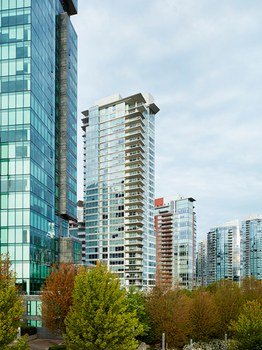

Canada: are you looking for property here?
Request a free consultation with Domik.io specialists.
We will select the best offers based on your criteria.


Canada
Vancouver
Cascadia Green Development is a real estate developer that has been implementing projects focused on sustainable development and affordable… More details
Developer's projects
View all projects 


Canada
Toronto
SevernWoods is a prestigious company specializing in the construction and renovation of luxury homes in Toronto and its surrounding areas si… More details


Canada
Toronto
Mizrahi Developments is a prestigious company specializing in the construction and development of luxury real estate in Toronto, Canada. Wit… More details
Developer's projects
View all projects 


Canada
Toronto
Urban Capital is a leading Canadian construction company, founded in 1996, specializing in the development and realization of modern urban r… More details
Developer's projects
View all projects 
Canada is a country located in North America, the second largest country after Russia and the largest on its continent. The population of Canada is over 41,000,000 people, making it the 37th most populous country in the world. Canada is washed by three oceans at once: the Atlantic, Pacific and Arctic Oceans, the country has the longest coastline in the world. Canada borders the United States of America, Denmark, and also has a maritime border with France. Canada is administratively divided into 10 provinces and 3 territories with the capital in Ottawa. Canada has three climatic zones: arctic, subarctic and temperate, the last of which is home to most of the country's population. More than 50% of the country's population is concentrated in two southern provinces: Ontario and Quebec, and about 80% of the population lives in the southern belt, limited by a 150-kilometer zone north of the border with the United States. Canada's population is growing steadily due to increased migration from other countries. In terms of net migration, the country is among the top ten countries in the world. Canadian real estate is a wide range of residential and commercial properties, as well as land plots intended for development, agriculture and other activities. Currently, more than 2,500 Canadian developers build new, modern buildings and the necessary urban infrastructure every year. Most of the construction companies in Canada are concentrated in three provinces: Ontario, British Columbia and Quebec.
Our website contains reviews of Canadian developers left by real estate buyers.
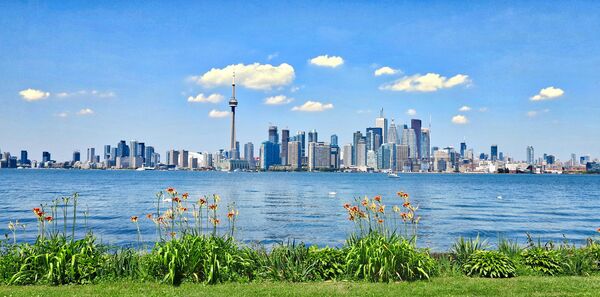
Canada is the largest country by area in the Americas. It is a member of the Commonwealth of Nations, and its formal head of state is the monarch of the United Kingdom. Administratively, the country is divided into 10 provinces and 3 territories. The capital of Canada is Ottawa, located in the eastern part of the province of Ontario.
Canada as a Developed Democratic Country
Canada is a democratic country with a developed economy, ranking among the world's leaders in sectors such as:
- Industry
- Energy
- Agriculture
- Mining
- Production of wheat, mineral fertilizers, and pulp and paper products
The population distribution in Canada is extremely uneven. About 80% of the country's residents live within 150 kilometers north of the U.S. border. More than half of the entire population is concentrated in two provinces:
- Ontario – about one-third of Canada's population
- Quebec – about one-quarter of the population
Real Estate Market in Canada
There are over 2,500 real estate developers in Canada, with most operating in the following provinces:
- Ontario – 994 construction companies
- British Columbia – 618 construction companies
- Quebec – 375 construction companies
Factors Affecting Real Estate Prices in Canada
Real estate prices in Canada depend on several factors:
- Climate conditions
- Population density
- Demand for real estate
- Immigration policies
The Canadian government does not impose restrictions on foreigners purchasing property, except in designated recreational areas.
Real Estate Prices in Major Canadian Cities
- Ottawa – $3,200 per m² in suburban areas. Commercial real estate is cheaper than in other major cities.
- Quebec City – $1,600 per m² in suburban areas, from $2,500 per m² in central areas.
- Montreal – from $2,500 per m² in residential districts, from $3,500 per m² in the city center.
- Vancouver & Toronto – median apartment prices are around $400,000, while private houses start from $900,000.
Housing Shortage and Market Characteristics in Canada
Despite the large number of developers, Canada continues to experience a housing shortage for both purchase and rent.
- The rental vacancy rate rarely exceeds 4%, which is considered extremely low.
- Construction companies cannot keep up with the rapidly growing population.
- There is a shortage of mid-range real estate options.
- Developers tend to focus on either:
- Small apartments in residential complexes
- Luxury homes for wealthy locals and expatriates
The Canadian government plans to address this imbalance by:
- Building new homes
- Renovating secondary housing
Income Levels of Real Estate Buyers in Canada
The average income levels of property buyers are as follows:
- 24% – $75,000 to $100,000 per year
- 21% – $100,000 to $150,000 per year
- 20% – $25,000 to $50,000 per year
- 19% – $50,000 to $75,000 per year
- 8% – above $150,000 per year
- 7% – below $25,000 per year
Investment Attractiveness of Canadian Real Estate
The construction and real estate markets in Canada are developing rapidly. The fast-paced construction ensures high-quality urban infrastructure.
Investing in real estate in major Canadian cities can be a promising idea:
- Rental business can generate up to 6% net profit.
- Property resale can yield up to 8% annually.
Reviews on Canadian Real Estate Developers
Our website features reviews of Canadian developers left by property buyers.
Studying these reviews will help you:
- Form an opinion on the reliability of developers
- Evaluate their strengths and weaknesses
- Understand the quality of construction and finishes
- Learn about project delivery timelines and cooperation terms
To make a choice when buying real estate in Canada, you can check out the rating of real estate agencies. And if you are interested in a specific location, then check out the projects of real estate developers in Toronto.